The “cheapest AI API” myth: why token prices lie
Token price comparisons look scientific.
But they often predict the wrong winner.
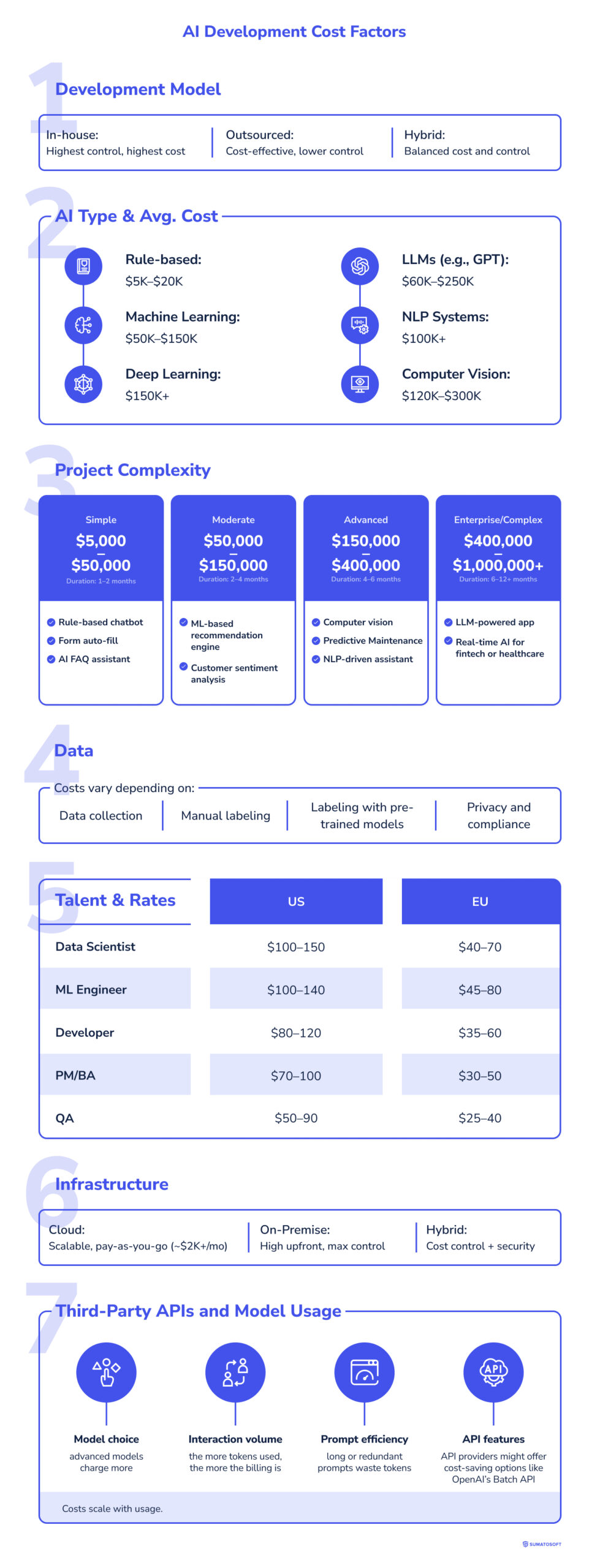
Myth #1: “Lower token price = lower cost”
Reality: Total cost depends on workflow behavior.
- How long answers are
- How much context you resend
- How often you retry
- Whether you use tools (search/function calls)
Myth #2: “We’ll optimize later”
Reality: AI costs become hard to unwind once product expectations are set.
If users get long, rich answers now, shortening later feels like a downgrade.
Myth #3: “One request is one cost”
Reality: One user action can trigger multiple paid calls (guardrails, tools, fallbacks).
A practical checklist (use this before choosing a provider)
- Output control: Can we cap length by default?
- Context strategy: Do we resend the same background text every time?
- Retry policy: Do we know how many retries happen per 1,000 requests?
- Tooling: Will we call search/tools, and how often?
- Quality stability: Will we need “re-asks” because answers are inconsistent?
| If your product does this… | Token price matters | What matters more |
|---|---|---|
| Short answers, predictable prompts | More | Latency + reliability |
| Long context (docs/RAG) | Less | Caching + context trimming |
| Tool calls / browsing | Less | Tool budget + retry policy |
✅ Quick takeaway
- Cheapest per token isn’t always cheapest per user
- Workflow behavior decides real cost
- Pick with a checklist, not a pricing page
🧭 Decision hub
Should you even be paying for an AI API right now?
Decide based on context, retries, and workflow cost — not token tables.
Read the full decision framework →